“A great teacher can inspire hope, ignite the imagination, and instill a love for learning.” – Brad Henry
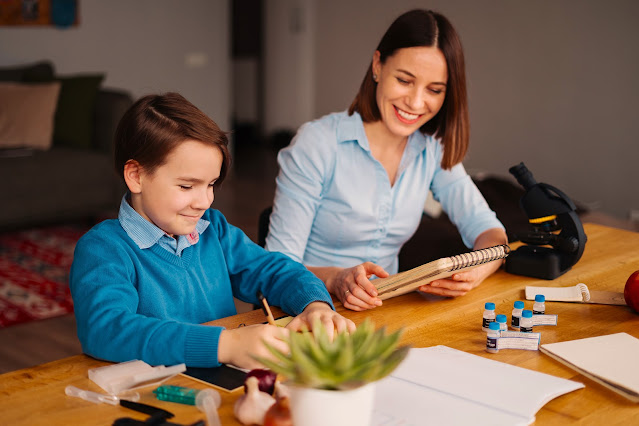
Private home tutoring is an intricate and rewarding profession that allows educators to connect with students on a personal level and provide tailored support. The fine art of private home tutoring goes beyond imparting knowledge; it involves building strong relationships, understanding individual needs, and inspiring a love for learning. This article delves into the key elements that define the fine art of private home tutoring, exploring how tutors can foster excellence and empower their students to reach their full potential.
Personalized Learning Experience:
At the heart of the fine art of private home tutoring lies the ability to provide a personalized learning experience. Tutors must recognize that each student has unique strengths, weaknesses, and learning styles. By tailoring their teaching methods and content to suit individual needs, tutors can optimize the learning process and enhance student engagement and comprehension.
Building Strong Relationships:
The fine art of private home tutoring emphasizes the significance of building strong and trusting relationships with students. By creating a supportive and nurturing environment, tutors can foster open communication and encourage students to share their thoughts, concerns, and aspirations. A strong tutor-student relationship lays the foundation for effective teaching and facilitates academic and personal growth (Pianta et al., 2003).
Identifying Learning Gaps:
Private home tutors are adept at identifying learning gaps and addressing them proactively. By conducting comprehensive assessments and analyzing students’ progress, tutors can pinpoint areas that need reinforcement or improvement. Tutors then design targeted interventions and exercises to bridge these gaps and help students achieve their academic goals.
Cultivating a Growth Mindset:
Nurturing Curiosity and Critical Thinking:
Tutors who master the fine art of private home tutoring inspire curiosity and critical thinking in their students. They encourage inquisitiveness, provoke thought-provoking questions, and challenge students to explore beyond the textbooks. By nurturing curiosity, tutors fuel a genuine passion for learning and instill lifelong learning habits.
Encouraging Independent Learning:
Effective private home tutors encourage independent learning and self-directed study. By guiding students to find answers on their own and fostering self-reliance, tutors equip students with essential skills for lifelong learning. Empowering students to take ownership of their education enhances their confidence and motivation.
“The delicate balance of mentoring someone is not creating them in your image, but giving them the opportunity to create themselves.” – Steven Spielberg
The art of private home tutoring lies in recognizing that students learn at different paces. Tutors adapt their teaching speed to match the student’s understanding, ensuring that the material is neither rushed nor overly challenging. Flexibility in pacing promotes a comfortable and productive learning experience.
Emphasizing Real-Life Application:
Tutors who excel in the fine art of private home tutoring link academic concepts to real-life applications. By demonstrating the practical relevance of subjects, tutors make learning meaningful and applicable to students’ lives. This approach fosters a deeper understanding of the subject matter and promotes knowledge retention.
Incorporating Multimedia and Interactive Elements:
Modern private home tutors utilize multimedia and interactive elements to create dynamic and engaging learning experiences. Utilizing videos, educational games, virtual simulations, and other interactive tools helps capture students’ attention and reinforces learning (Mayer, 2001).
Celebrating Small Victories:
Acknowledging and celebrating students’ achievements, no matter how small, is an essential aspect of the fine art of private home tutoring. Recognizing their efforts boosts their self-esteem and motivation to persevere, ultimately contributing to greater success in their academic journey.
“Education is the passport to the future, for tomorrow belongs to those who prepare for it today.” – Malcolm X
References:
Mayer, R. E. (2001). Multimedia Learning. Cambridge University Press.
Pianta, R. C., Hamre, B. K., & Stuhlman, M. (2003). Relationships Between Teachers and Children. In J. P. Comer, & J. D. P. Walker (Eds.), The First Six Years of Schooling (2nd ed.). Teachers College Press.